Manchester United Problems: What Needs to Change?
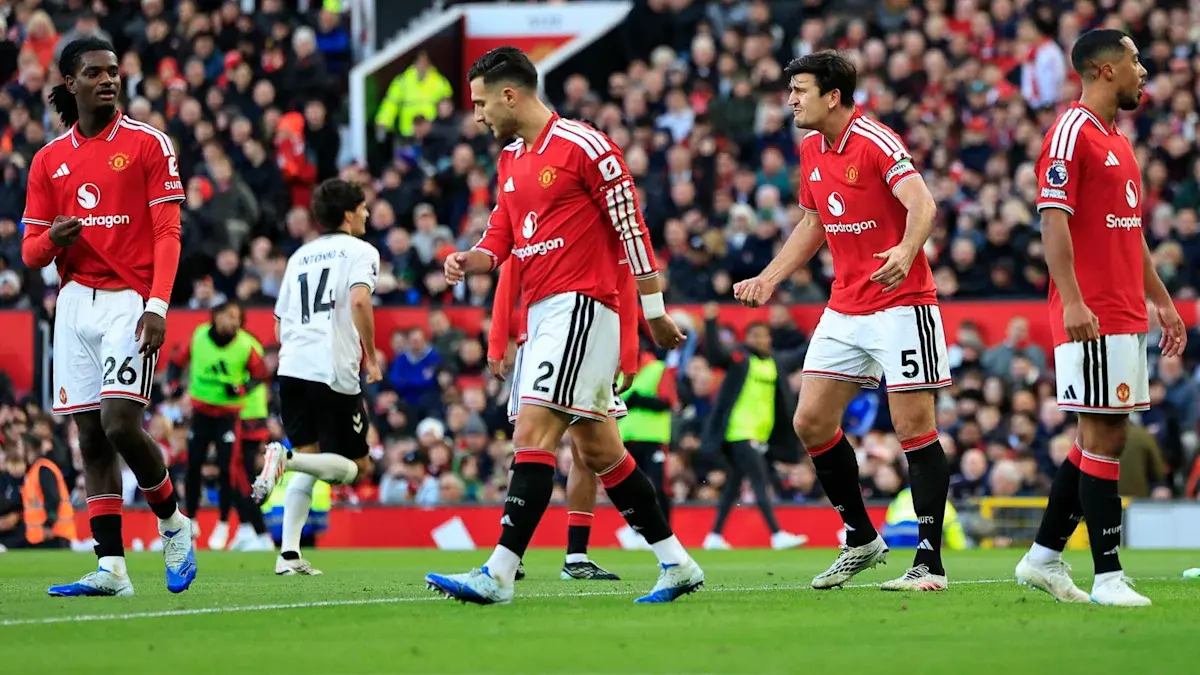
Manchester United’s difficult start to the season has raised questions about the team’s consistency, defensive organisation and ability to control matches. Their 3-0 Premier League defeat to Bournemouth at Old Trafford on 25 October added to the pressure, but the club’s challenges extend beyond one result.
For United, the priority is to identify the problems that keep affecting performances and find solutions that can work over the long term. Here are the key areas that need attention.
1. Defensive Organisation Needs to Improve
Defensive mistakes can quickly change the direction of a football match. Against Bournemouth, United conceded twice before half-time and struggled to recover after falling behind.
Better communication between defenders, midfielders and the goalkeeper is essential. The team must also manage dangerous situations more carefully, particularly when opponents win the ball and attack quickly.
Improvement does not depend on defenders alone. The whole team needs to understand when to press, when to protect space and how to respond when possession is lost.
2. United Need More Consistency in Attack
Manchester United have attacking players capable of creating opportunities, but individual quality must translate into a more reliable team performance. Creating chances, making intelligent runs and choosing the right final pass all matter.
When attacks become predictable, opponents can defend with greater confidence. United need better movement between the lines and stronger connections between midfielders and forwards.
Clinical finishing is also important. A team that converts its best opportunities gives itself a better chance of winning even when the overall performance is not perfect.
3. Midfield Balance Is Crucial
A well-balanced midfield helps a team control the pace of a match, protect its defence and move the ball forward. If the midfield becomes stretched, opponents can find space between the lines or launch quick counter-attacks.
United need to balance creativity with defensive responsibility. Midfielders must support attacks without leaving the back line exposed, while also providing passing options when the team is under pressure.
4. The Manager Needs a Clear Tactical Plan
Every successful team needs a recognisable approach to football. Players should understand how the team intends to build attacks, press opponents and defend when possession changes.
For Michael Carrick and his coaching staff, the challenge is to establish a system that suits the available players and can be adjusted against different opponents. Tactical flexibility matters, but frequent changes without a clear purpose can make it harder for players to build understanding.
Consistency in selection, defined roles and effective training can help the team develop a more reliable style of play.
5. Confidence and Teamwork Matter
A difficult run of results can affect decision-making on the pitch. Players may hesitate in possession, take fewer risks or become less organised after conceding a goal.
Strong leadership and clear communication can help a team respond to setbacks. Senior players have an important role in maintaining standards, while the coaching staff must make sure every player understands their responsibilities.
Confidence is unlikely to return through words alone. Better performances, improved discipline and positive results are needed to rebuild trust within the squad and among supporters.
6. What Should Manchester United Prioritise?
United do not need to solve every problem at once. Improving defensive concentration, building a more balanced midfield and creating a consistent attacking structure would provide a useful starting point.
The coaching staff must also assess performances beyond the final score. Chances created, defensive errors, control of midfield and reactions after losing possession can reveal whether the team is making genuine progress.
Can Manchester United Turn Their Season Around?
Manchester United’s recent struggles show how quickly a difficult run can increase pressure on a club. However, one defeat should not define an entire season, just as one victory cannot prove that every problem has disappeared.
The real test is whether United can produce more consistent performances over the coming weeks. If defensive organisation improves and the attacking players develop a stronger understanding, the team will have a better foundation for recovery.
Follow the latest football news and updates in our football section.